
Balayage and ombré often get lumped together, but they are not the same thing. Both create beautiful, sun-kissed color, yet the technique behind each one and the final result look quite different.
The confusion usually comes down to expectation. Balayage suits people who want a soft, blended finish, while ombré works best for anyone chasing a bold, two-toned transition from dark to light.
Choosing the right one depends on your hair length, your maintenance routine, and the overall look you’re going for. Keep reading, and you’ll know exactly which technique fits your hair by the end of this guide.
What Is Balayage?
Balayage is a hand-painted highlighting technique that lightens hair in soft, sweeping strokes. The word comes from the French term for sweeping, and it describes exactly how colorists apply it freehand.
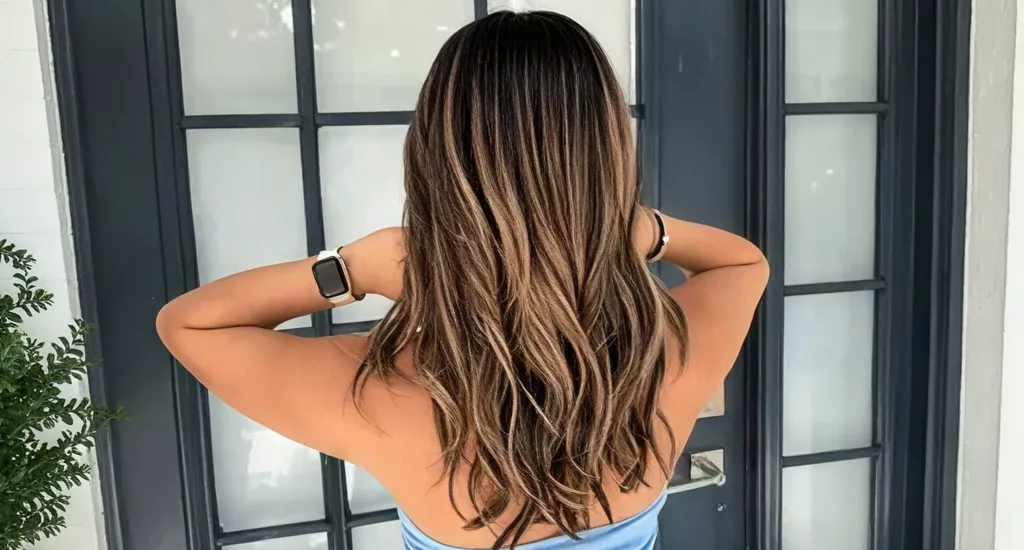
Because the color is painted directly onto the hair instead of foiled in even sections, balayage creates a natural, sun-kissed look. It mimics the way hair lightens gradually after time spent outdoors.
This freehand approach also means lower maintenance. Balayage grows out softly with no harsh line at the root, so touch-up visits can be spaced further apart than with other coloring methods.
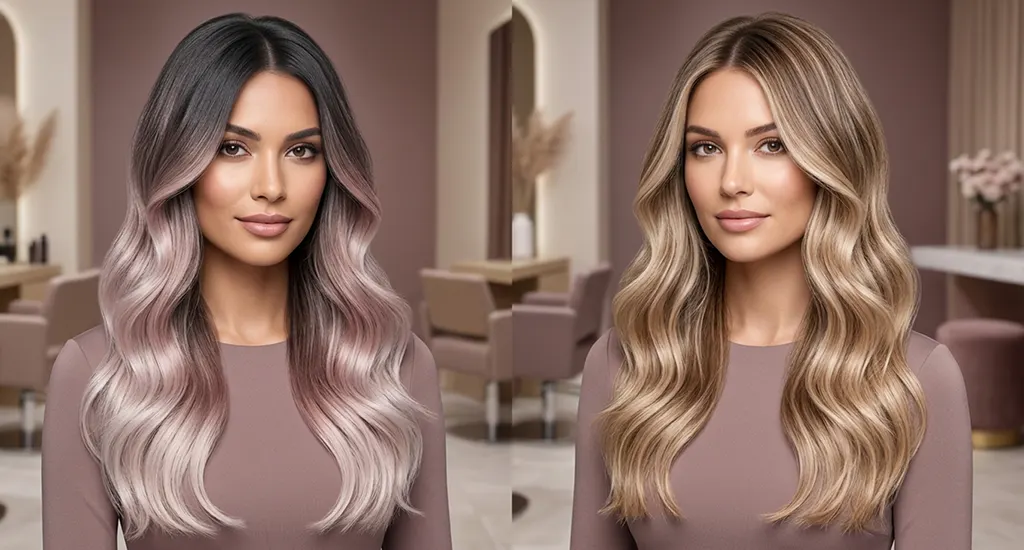
Balayage works particularly well on dark hair, since the graduated highlights add dimension without creating a stark contrast against the base color, which keeps the overall effect looking natural and easy to wear.
What Is Ombré?
Ombré is a two-toned color effect that gradually shifts from a darker shade near the roots to a lighter shade at the ends. It creates a clear, graduated transition rather than a scattered highlight pattern.
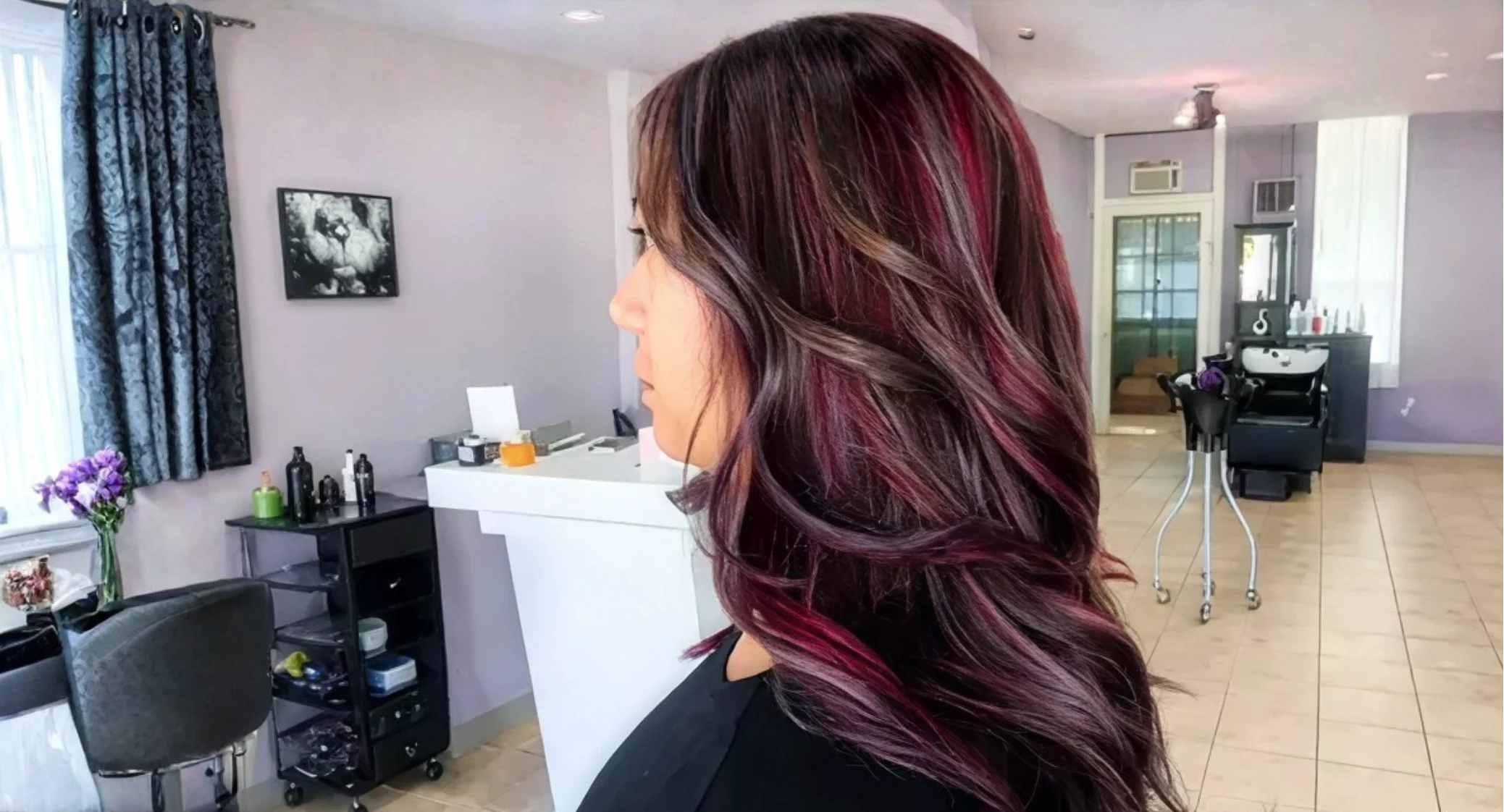
Unlike balayage, ombré usually has a more visible line partway down the hair. This gives it a bolder, more dramatic finish that reads clearly even from a distance or in photos.
The style also looks different depending on your base color. On dark hair, ombré tends to appear richer and more saturated, while it looks softer and almost pastel on lighter starting shades.
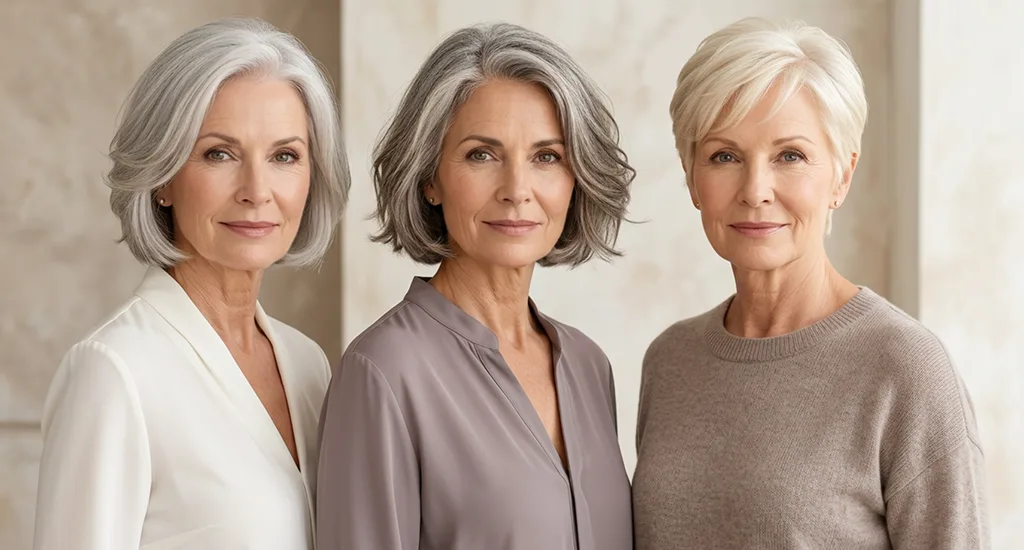
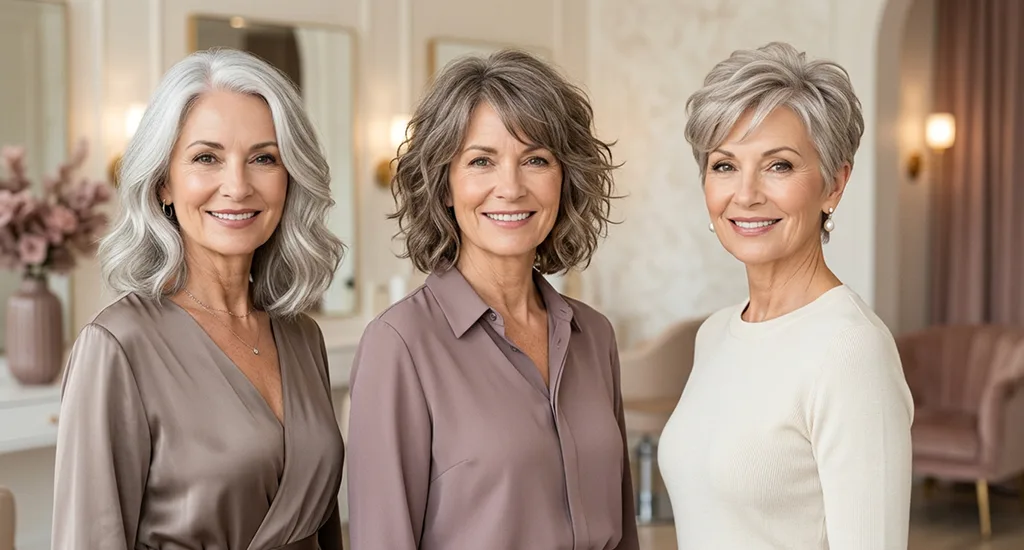
Grey hair can also work beautifully with ombré, since the natural silver tones blend into a lighter end color without needing constant root touch-ups to hide regrowth.
If you’re in Jupiter, FL, and want this look done with real precision, Salon 221 handles ombré coloring with genuine skill and care, and they are absolutely worth booking for the result.
Balayage vs Ombré: The Key Differences
Balayage and ombré share the same goal of adding dimension, but they take completely different paths to get there. Here is a side-by-side look at how the two actually compare.
| Feature | Balayage | Ombré |
|---|---|---|
| Application | Hand-painted, freehand strokes | Gradual color blending |
| Contrast | Subtle and blended | Bold, two-toned |
| Root Line | Soft, nearly invisible | More clearly defined |
| Best For | Natural, everyday color | Statement, dramatic color |
Application Method
Balayage is a technique applied by hand, with color painted directly onto individual sections of hair. This freehand approach gives colorists full control over placement, saturation, and how the lightness builds throughout each strand.
Ombré describes a gradient effect rather than one fixed method, and it can be created through several different application styles. Some colorists paint it freehand, while others use foils or color melting.
Level of Contrast
Balayage blends subtly across the hair, softening the line between the natural base color and the lightened pieces. The result feels understated and works well for anyone who wants dimension without a bold statement.
Ombré leans into a bold, two-toned finish that stands out, especially when the root color is noticeably darker than the ends. This contrast is exactly what gives ombré its dramatic, eye-catching appeal.
Root Blending
Balayage fades softly with no visible break, since the color is painted with a gradual hand motion that mimics natural sunlight. This is part of why regrowth looks so seamless over time.
Ombré often has a clearer transition line partway down the strands, marking where the darker base shifts into the lighter ends. That defined line is part of the style, not a flaw.
Technique vs Effect
At its core, balayage is a technique, and ombré is a gradient of color, which is the simplest way to remember the difference between them. One describes how the color is applied.
The other describes what the finished color looks like once it’s done. Keeping this distinction in mind makes it much easier to explain what you want during your next salon consultation.
Your colorist can also adjust placement to complement a haircut for different face shapes, which makes either technique flexible enough to work with a wide range of styles and lengths.
How Do Balayage and Ombré Differ From Highlights?
Traditional highlights use foils to lighten small, evenly spaced sections of hair from root to tip. This creates a uniform, repeating pattern that looks consistent across the entire head.
Balayage and ombré both move away from that structured approach, favoring a more blended and natural-looking result instead of neat, repeating strands throughout the hair.
- Highlights: Foiled sections, consistent pattern, color runs from root to tip in every strand.
- Balayage: Hand-painted, soft and gradual, no fixed pattern, blends naturally into the base color.
- Ombré: Gradient effect, darker near the roots, lighter at the ends, less repetition than highlights.
Anyone wanting a lower-maintenance option with fewer harsh lines usually leans toward balayage or ombré over traditional foiled highlights.
Cost Comparison: Balayage vs Ombré
Ombré is generally more affordable than balayage because it requires less time and fewer products during application. The gradient effect needs less precision work than hand-painting each individual section.
Balayage takes longer in the chair since colorists paint every strand by hand. That extra time and skill typically make it a bigger investment compared to a standard ombré service.
Pricing varies widely depending on the salon, your hair length, and how much lightening is involved. It’s always best to ask for a personalized quote during a consultation instead of relying on general estimates.
Grey coverage or blending can also affect the final price, since it often calls for additional toning or root work regardless of which technique you ultimately choose for your hair.
Maintenance: Balayage vs Ombré
Balayage generally lasts longer between salon visits because it grows out naturally without leaving a harsh root line. Ombré can last a while, too, but its upkeep depends heavily on how bold the contrast is.
- Balayage: Soft regrowth means most people can go 8 to 12 weeks between touch-ups, depending on natural hair growth speed.
- Ombré: High-contrast versions may need root refreshing sooner, especially on shorter styles where the transition sits closer to the scalp.
- Everyday wear: Both options work well for business hairdos for women who want low-fuss color that still looks polished between salon appointments.
How to Choose the Right One for You
The right choice depends on your hair length, your budget, and how much upkeep you’re realistically willing to commit to. Balayage suits low-maintenance lovers, while ombré fits anyone wanting a bolder statement.
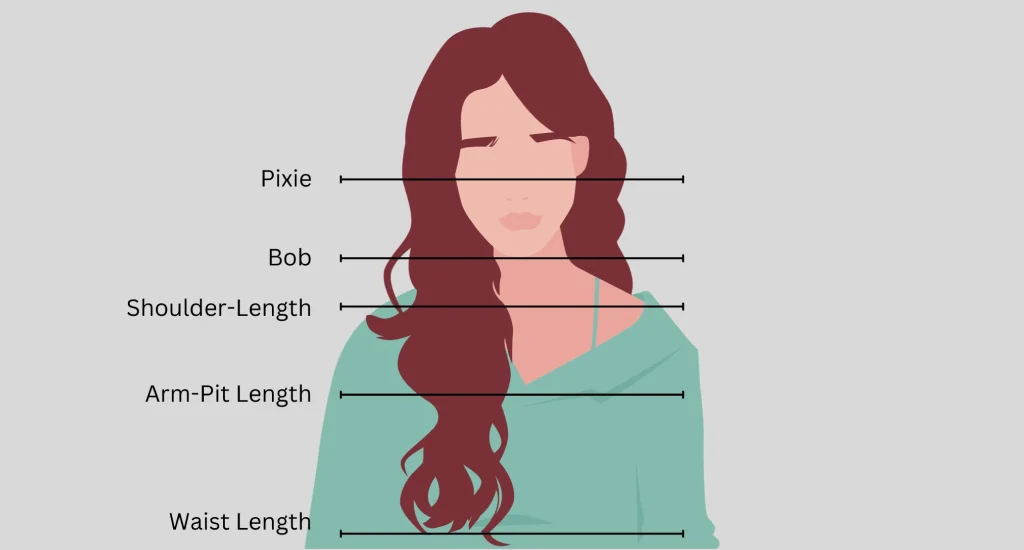
Consider your hair length first. Balayage tends to show best on medium to long hair, while ombré can also work well on shorter styles, since the transition needs less space to read clearly.
Think about your skin tone and desired contrast level, too. Balayage often complements warmer, natural tones, while ombré can be customized for cooler or higher-contrast looks depending on your starting color.
If you’re still unsure, a side-by-side consultation with reference photos of both styles can help you visualize the outcome clearly before committing to either technique.
Ready to Book Your Color Appointment?
Both balayage and ombré can transform your look when done by a skilled colorist who understands your hair and your goals. The right technique makes all the difference in the final result.
If you’re in Jupiter, FL, contact Salon 221 to get it done right. Their team can walk you through both options and recommend the best fit for your hair and lifestyle.